
Research
Original research, synthesis, and benchmark reports on the creator economy.
13 articles

What Brands Should Actually Budget for UGC in 2026
If you run brand partnerships, your UGC budget line was probably built from a rate card, and rate cards are asking prices, not clearing prices.
What Is a UGC Creator, A Complete Guide
A UGC creator makes authentic, native-feeling content that a brand licenses and runs as its own ads or organic posts.

How to Accurately Measure Your Influencer Marketing ROI
Influencer marketing spend in the US hit $10.52 billion in 2025 and is projected to reach $13.7 billion by 2027 (eMarketer, March 2025), yet more than half of…
How Smart Brands Are Running Influencer Marketing in 2026
Here is the thing nobody running a creator program in 2026 can ignore: the gap between the brands winning and the brands burning budget is no longer about who…

How to Choose an Influencer Marketing Platform for Creator Management
If you run creator partnerships at a brand or agency, you have probably already discovered that picking a platform is not a feature checklist exercise.

Agentic Workflows Are Reshaping How Brands Run Influencer Marketing
Adoption of autonomous AI agents inside marketing teams roughly doubled in 15 months, and that jump is the clearest signal yet that agentic workflows have…
Finding the Right Creators Is Still Broken, and our MCP Fixes It
Every year the surveys say the same thing: brands cannot find the right creators.
Why Creators Need a Living Resume the Way Professionals Need LinkedIn
A stale profile costs office professionals opportunities they never knew existed, and creators are running the exact same risk with far more money on the table.
How Creators Can Nurture Brand Partnerships and Win More Business
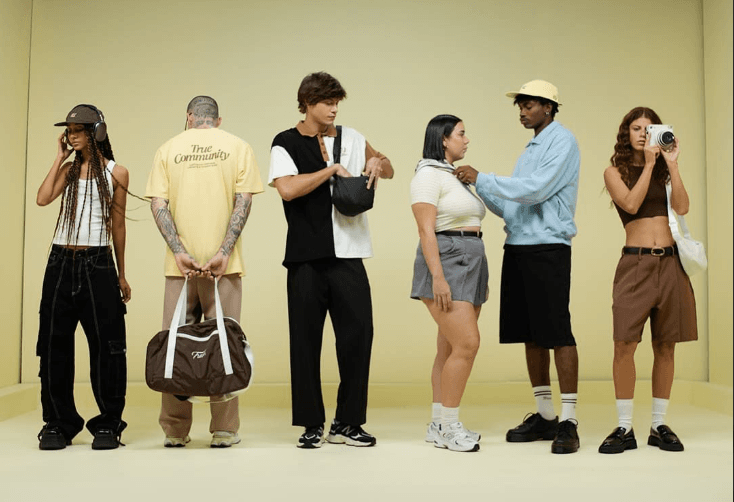
Most creators treat brand deals as events rather than relationships, which means they leave the most valuable revenue source they have sitting cold in their inbox after every campaign wraps. The data backs this up: roughly 68.8% of creators rely on brand deals as their primary income source (Influencer Marketing Hub, 2025), yet 72% of TikTok brand relationships end after a single collaboration even though sustained partnerships generate up to 70% higher engagement than one-offs (Archive, 2025). This guide walks through exactly how to change that pattern: how to audit what you already have, build a lightweight nurture system, use CRM tools to manage relationships at scale, and turn past brand partners into a compounding revenue engine rather than a list of invoices. Drafting now.
Which Social Media Platforms Influencers Should Focus On in 2026
The platform question matters more in 2026 than it did two years ago because AI buyer behavior, algorithm shifts, and creator monetization structures have diverged sharply across Instagram, TikTok, YouTube, LinkedIn, and Pinterest — and the right answer depends entirely on what a creator is selling, to whom, and at what price point. This piece walks each major platform in order of strategic priority, covering engagement benchmarks, audience demographics, content format, and the deal types each platform supports best. By the end, a creator with a clear niche and monetization goal will know exactly where to put their time. Drafting now.
Instagram Micro Influencers Need a Professional Network, Not Just a Following
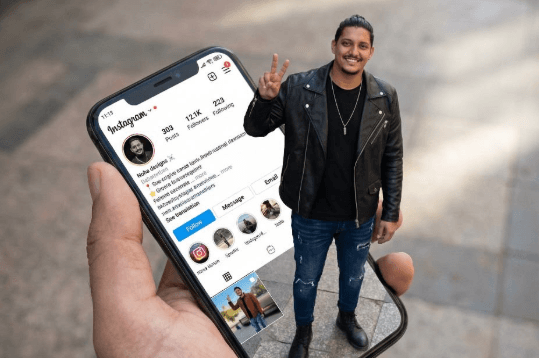
Instagram's engagement data makes the case for micro influencers better than any pitch deck could, but engagement alone does not build a career. The creator economy's dirty secret is that the infrastructure underneath the follower count, the professional relationships, the deal pipeline, the peer network, the career history, has never been built for creators the way LinkedIn built it for every other profession, and that gap is where micro influencer careers stall. This article argues that a professional networking platform is not a nice-to-have for a creator at 10K to 100K followers: it is the missing layer that converts audience traction into a sustainable business, because without it, brand deals die in an inbox, rates stay undersold, and professional identity lives nowhere but a Canva PDF.

How Creators Can Build Content That AI Engines Actually Cite
Most creators building brand partnerships have never thought about whether their content gets cited in AI search — but their brand partners are starting to ask. The evidence is stark: 51% of B2B buyers now start software research in an AI chatbot rather than Google (G2, 2026), AI referral traffic converts at 14.2% versus Google's 2.8% (Averi AI, 2024), and the structural features that earn citations — comparison tables, bold-labeled blocks, FAQ sections — appear in 94% and 88% of top-cited pages respectively while appearing in 0% of bottom-cited ones (Res AI, 2025). This guide walks creators through exactly what that means for how they plan, structure, and position content, and how leading with AI-citability makes their offerings more valuable to every brand partner who cares about where buyers are going to find them. Drafting now.
Creatorland's State of the Creator Economy 2026
The creator economy now rivals a major industry in spending and talent, but not in infrastructure. Brands struggle to find the right creators, creators lose paid deals in cluttered inboxes, and 50 million working creators still have no professional network of their own.